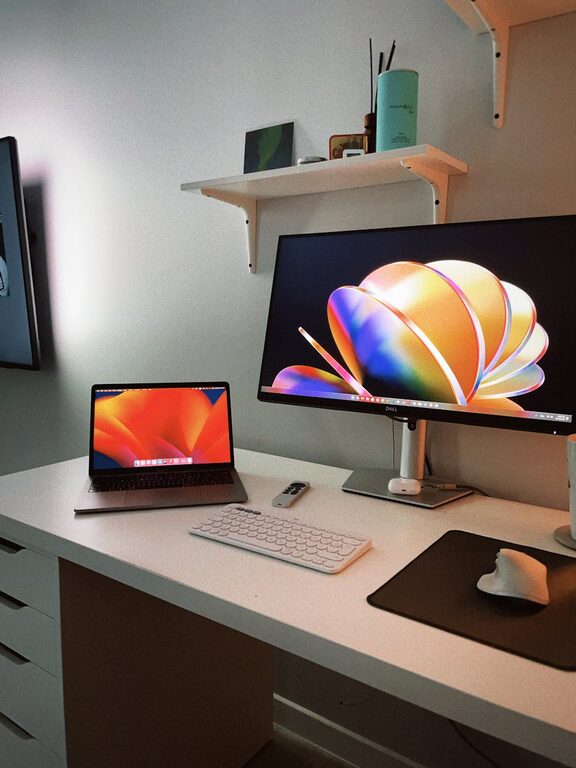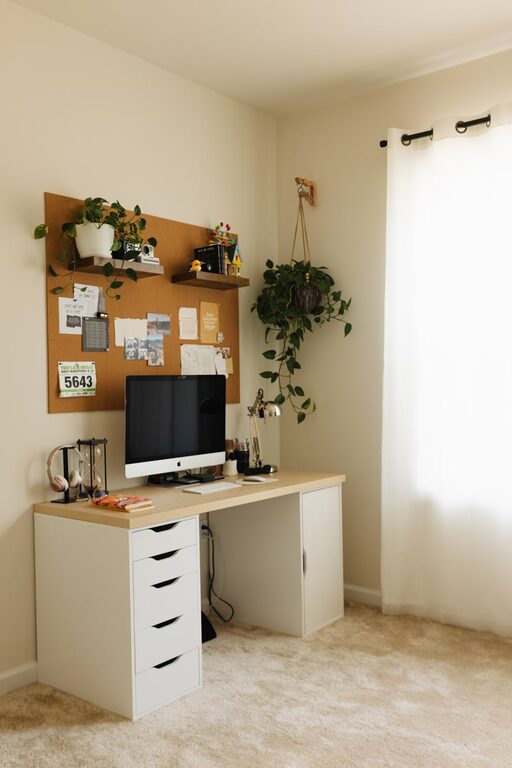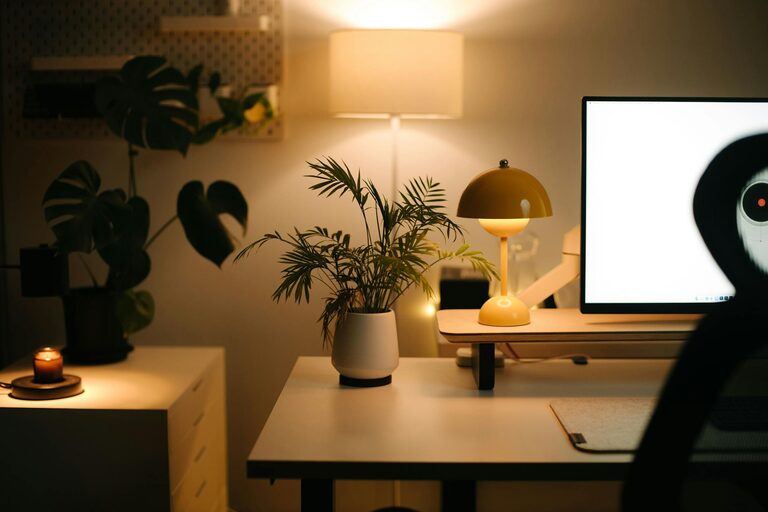
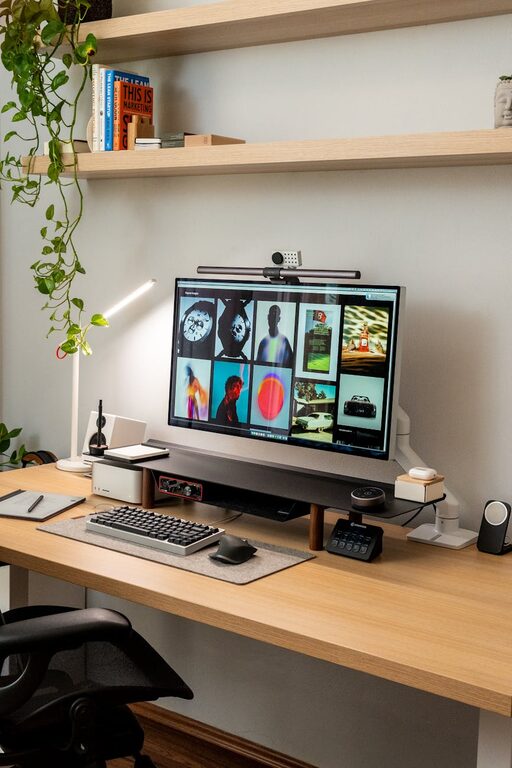
Creating a relaxing home workspace is essential for maintaining both productivity and comfort, especially as more people work remotely. A well-designed workspace helps reduce stress, improve focus, and foster a positive mindset. Whether you have a dedicated room or just a small nook, a few intentional changes can make a big difference. Here’s a comprehensive guide to help you create a home office that supports your best work.
Choose the Right Location
Selecting the best spot for your workspace sets the foundation for your entire setup.
– Quiet and Private: Find a space away from household noise and distractions. It might be a spare room, a corner in your bedroom, or even a quiet section of the living room.
– Natural Light: Position your desk near a window if possible. Natural light can boost your mood and reduce eye strain.
– Good Ventilation: Fresh air keeps you alert. Avoid cramped, stuffy spaces.
Invest in Comfortable Furniture
Your comfort directly impacts your ability to focus and work efficiently.
– Ergonomic Chair: Choose a chair that supports your back and encourages good posture. Adjustability is key to fit your body and desk height.
– Spacious Desk: Make sure your desk offers enough surface area for your computer, notebooks, and other work essentials without feeling cluttered.
– Adjustable Desk Options: If possible, consider a standing desk or one with adjustable height to alternate between sitting and standing.
Organize Your Workspace
A tidy, organized space reduces stress and distractions.
– Declutter Regularly: Keep only the items you use daily on your desk. Store other things in drawers or shelves.
– Use Storage Solutions: Utilize organizers, trays, or filing cabinets to keep files and supplies orderly.
– Cable Management: Use clips or sleeves to bundle cords and keep them out of the way.
Create a Calming Atmosphere
A relaxing environment supports creativity and focus.
– Color Choices: Soft, neutral colors like light blues, greens, or pastels promote calmness. Avoid loud or overly bright colors.
– Add Plants: Greenery adds life to your space and can improve air quality.
– Personal Touches: Display a few personal items such as photos, artwork, or meaningful objects to make your workspace inviting without overcrowding it.
– Lighting: Include a combination of natural light, overhead lighting, and task lighting. Avoid harsh fluorescent bulbs. A desk lamp with adjustable brightness can be helpful.
Minimize Distractions
Limiting interruptions helps maintain flow and productivity.
– Use Headphones: Noise-canceling headphones or soothing background music can block out distractions.
– Set Boundaries: If you live with others, communicate your work hours and ask for quiet during those times.
– Digital Declutter: Organize your computer desktop and close unnecessary apps or browser tabs to stay focused.
Establish a Routine
Your workspace can motivate you to stick to a productive schedule.
– Start with a Morning Ritual: Begin your day with a routine such as stretching, reviewing your to-do list, or a brief meditation.
– Take Breaks: Stand up, stretch, or walk around every hour to prevent fatigue.
– End-of-Day Reset: Spend a few minutes tidying your desk and planning for the next day. This helps separate your work time from personal time.
Incorporate Wellness Elements
Taking care of your physical and mental well-being enhances your work experience.
– Comfort Accessories: Consider a footrest, wrist support, or seat cushion to increase comfort.
– Aromatherapy: Use subtle scents like lavender or peppermint to create a calming atmosphere, if you enjoy aromas.
– Hydration Station: Keep a water bottle nearby to stay hydrated throughout the day.
Utilize Technology Wisely
Technology should support—not hinder—your workflow.
– Reliable Equipment: Ensure your computer, monitor, keyboard, and mouse are comfortable and up to date.
– Ergonomic Peripherals: Wireless keyboards and mice can reduce strain.
– Productivity Apps: Use tools for task management, time tracking, and focus (like timers or website blockers).
Keep it Flexible
Your needs may change, so allow room to adapt your workspace over time.
– Rotate items or rearrange furniture occasionally to keep the environment fresh.
– Experiment with different lighting or seating options until you find the perfect fit.
– Be open to adding new tools or removing items that don’t serve you well.
—
Final Thoughts
Creating a relaxing home workspace is about more than just aesthetics; it’s about designing a space that supports your well-being and productivity. By carefully selecting your location, furniture, and ambiance, and by maintaining organization and boundaries, you enhance not only how you work but also how you feel during the workday. With these tips, your home office can become a haven of comfort and efficiency tailored perfectly to your needs.
About the Author