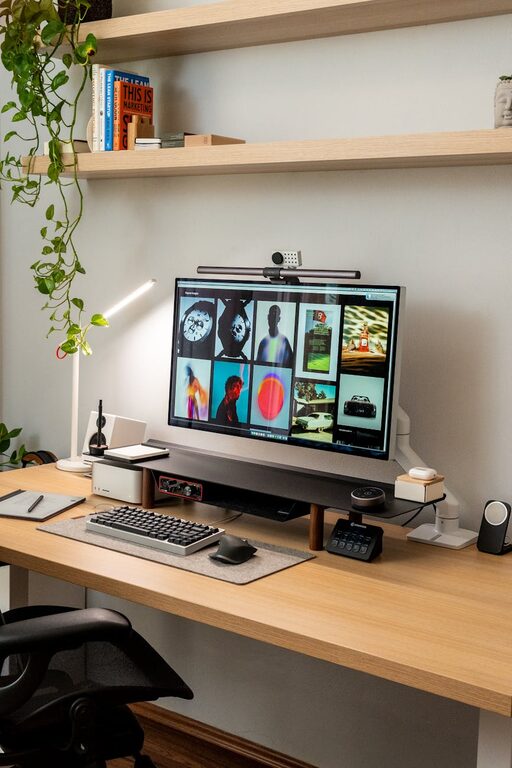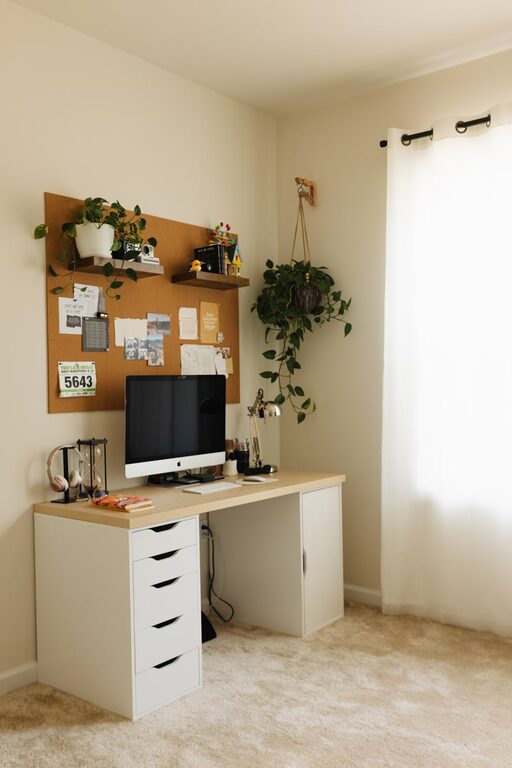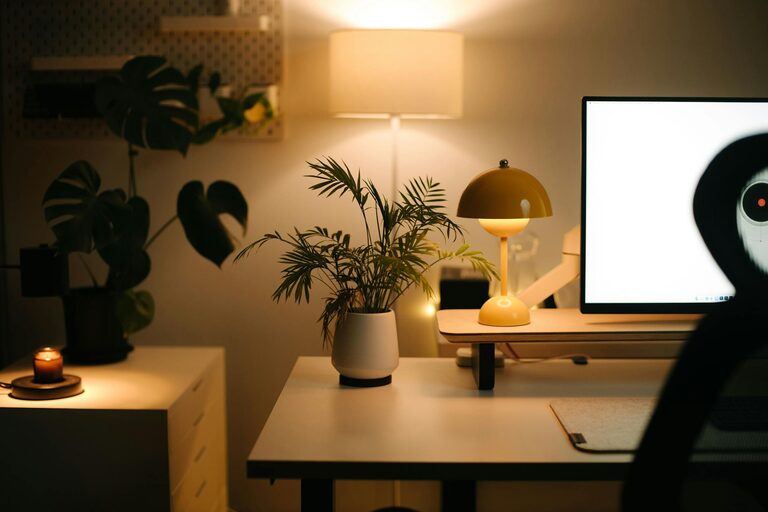
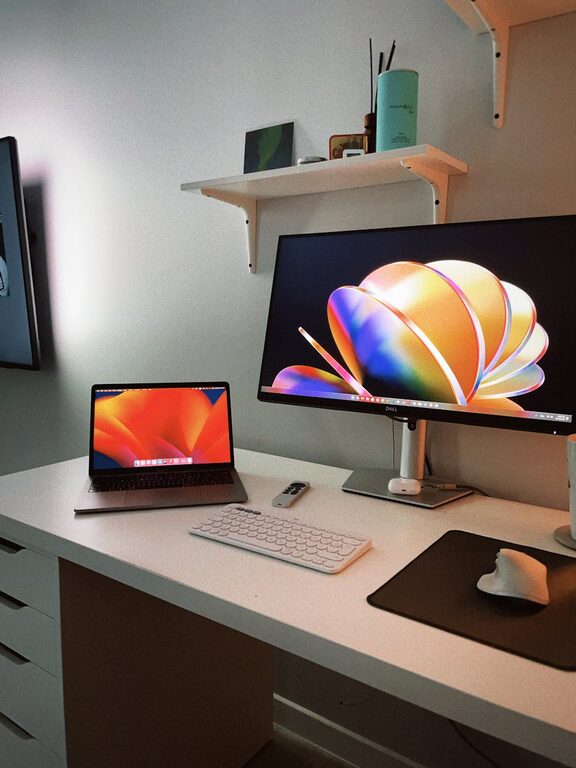
Creating a productive home office environment can significantly improve your focus, efficiency, and overall work satisfaction. Whether you work remotely full-time or occasionally need a dedicated workspace, organizing your home office to be clutter-free is key. A clean, well-arranged office reduces distractions, enhances creativity, and helps maintain a healthy work-life balance. Here are practical tips and strategies to help you design and maintain a productive home office space.
Why a Clutter-Free Home Office Matters
A cluttered workspace can lead to stress, wasted time searching for items, and decreased motivation. When your desk is tidy, your mind feels clearer. This makes it easier to prioritize tasks, stay organized, and enjoy your workday. Moreover, an organized space can also contribute to better ergonomics and overall comfort.
Step 1: Choose the Right Location
Selecting an appropriate spot for your home office is the first step to a productive setup.
– Natural Light: Pick a place with plenty of natural light to reduce eye strain and improve mood.
– Minimal Distractions: Find a quiet area away from household noise or high-traffic zones.
– Space Availability: Ensure you have enough room for your desk, chair, and storage needs.
If space is limited, consider versatile furniture or multi-use areas that can double as your office.
Step 2: Declutter Your Desk and Surroundings
Start by removing everything from your desk. Only keep essential items on the surface.
– Sort Items: Group your office supplies, documents, and gadgets.
– Purge Unnecessary Things: Recycle or toss items you no longer use or need.
– Use Storage Wisely: Place rarely used items in drawers, boxes, or shelves.
Use trays, organizers, or small containers to keep small items like pens or paper clips neatly contained.
Step 3: Organize Your Desk Layout
A smart desk layout promotes efficiency and comfort.
– Keep Frequently Used Items Close: Have your computer, notepad, and frequently referenced documents within easy reach.
– Cable Management: Use clips or sleeves to keep cords tidy and prevent tangling.
– Personalize Thoughtfully: Add a small plant, photo, or decorative item to make the space inviting without cluttering it.
Maintain at least 60% free desk space to allow room for writing or other tasks.
Step 4: Utilize Storage Solutions
Proper storage keeps your home office neat and helps maintain order over time.
– Shelving Units: Install wall shelves or bookcases to store books, reference materials, and boxes.
– Drawer Dividers: Use dividers to separate small items inside drawers.
– Filing Systems: Use labeled folders or binders for paperwork to simplify document retrieval.
– Digital Storage: Reduce paper clutter by scanning documents and storing files digitally when possible.
Investing in closed storage (cabinets or bins) can help hide clutter and keep a clean look.
Step 5: Establish Daily and Weekly Routines
Keeping your home office clutter-free requires ongoing effort.
– Daily Reset: Spend 5-10 minutes at the end of each day tidying your desk.
– Weekly Clean-Up: Organize papers, empty trash, and dust surfaces once a week.
– Digital Decluttering: Regularly organize and back up your computer files.
Consistent habits help prevent clutter accumulation and maintain a productive atmosphere.
Step 6: Design for Comfort and Ergonomics
An ergonomic setup contributes to well-being and productivity.
– Chair: Choose an adjustable chair with good back support.
– Desk Height: Ensure your desk lets you keep elbows at a 90-degree angle.
– Monitor Position: Position your screen at eye level to avoid neck strain.
– Lighting: Use a combination of natural and task lighting to reduce glare and eye fatigue.
Comfortable furniture and proper lighting also encourage longer, focused work sessions.
Step 7: Limit Distractions and Enhance Focus
Beyond physical organization, consider environmental factors.
– Noise Management: Use noise-canceling headphones or white noise machines if necessary.
– Clear Boundaries: Communicate your work hours and space to others in your household.
– Timer Techniques: Use methods like the Pomodoro Technique to improve focus during work intervals.
Creating a dedicated, distraction-free zone enhances your ability to concentrate.
Bonus Tips: Personalize and Inspire
Make your workspace somewhere you enjoy being.
– Add motivational quotes or a vision board.
– Include a small plant for a touch of greenery.
– Choose colors and decor that energize but don’t overwhelm.
A pleasant environment can boost your creativity and mood.
—
By implementing these tips, you can create a home office space that is not only clutter-free but also designed to keep you productive and comfortable. Remember, the key is consistent maintenance and making your workspace work for you. Happy organizing!
About the Author