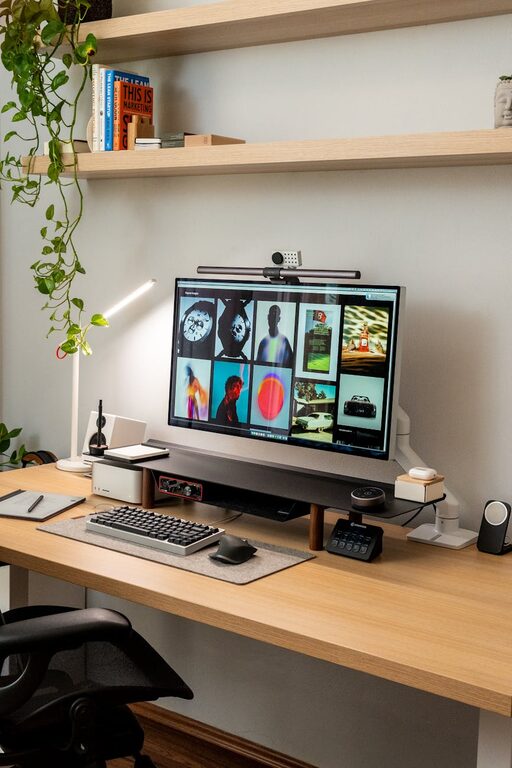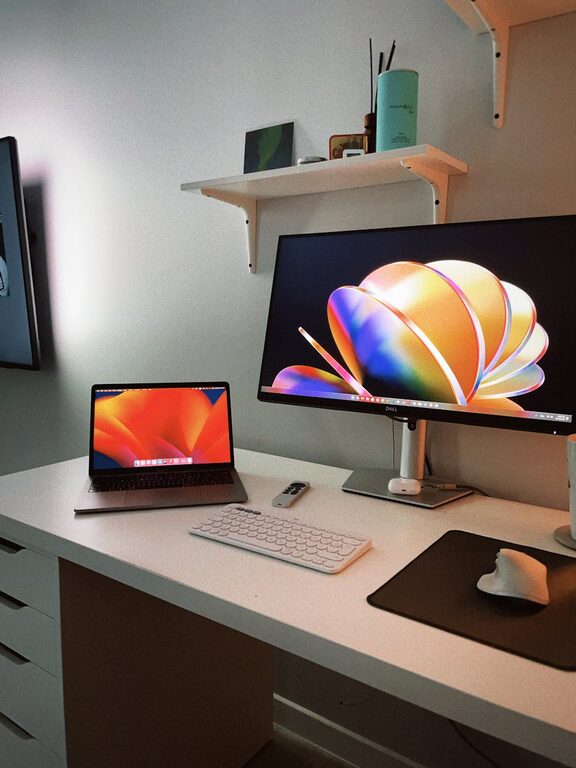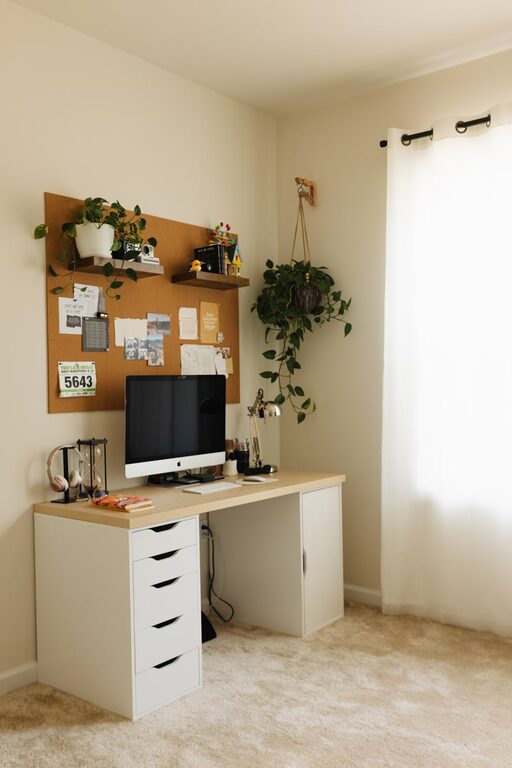
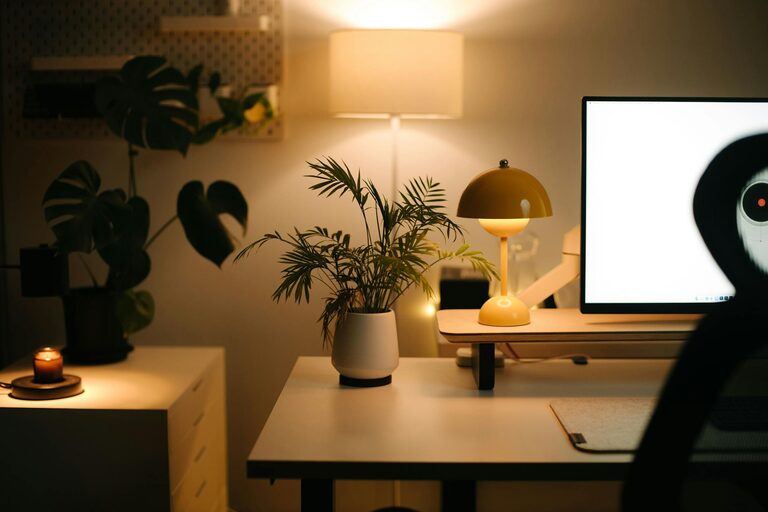
Creating a cozy and functional home office is key to working efficiently and feeling comfortable throughout your day. Whether you work from home full-time or just need a quiet spot to manage tasks, designing the right space can improve your focus and well-being. In this guide, we’ll walk through simple steps to help you create a home office that is both inviting and practical.
1. Choose the Right Location
Prioritize Quiet and Natural Light
Start by selecting a spot in your home that minimizes distractions. Ideally, choose a quiet corner or room where you won’t be disturbed by daily household activities. Natural light is a major plus—it helps reduce eye strain and improves mood. Position your desk near a window if possible, but avoid direct glare on your screens.
Think About Space Needs
Assess the space you require for your work essentials, such as your computer, notebooks, and filing systems. Even a small nook can be converted into a workable office if organized well.
2. Invest in Comfortable and Supportive Furniture
Desk and Chair Matter
Your desk should be at a comfortable height and large enough to accommodate your equipment without clutter. An adjustable or ergonomic chair is essential for good posture, especially if you spend long hours sitting.
Add Practical Storage
Include shelves, filing cabinets, or drawers to keep your office supplies and papers organized and within reach. A tidy workspace helps reduce stress and distractions.
3. Optimize Lighting
Use Layered Lighting
Combine natural light with layered artificial lighting. A bright overhead light paired with a desk lamp provides flexibility and reduces eye fatigue.
Consider Warm Light Options
Warm LED lighting creates a cozy atmosphere, perfect for minimizing harsh contrasts on computer screens and making the room inviting.
4. Personalize Your Space
Add Comfortable Textiles
Incorporate a soft rug, cushions, or a throw blanket. These additions enhance comfort and add warmth to the space, making it welcoming.
Decorate with Plants and Art
Indoor plants can boost your mood and improve air quality. Choose artwork or photos that inspire and motivate you. Be mindful to keep decorations minimal to avoid clutter.
5. Organize Cables and Electronics
Tidy Cable Management
Use clips, sleeves, or cable boxes to keep cords neat and prevent tangling. A clutter-free desk is easier to work on.
Keep Devices Accessible
Arrange your phone, printer, and other frequently used gadgets so they’re easy to reach but don’t dominate your workspace.
6. Set Up Functional Zones
Define Areas for Different Tasks
If your space allows, designate zones for various activities like computer work, reading, or brainstorming. You can separate these areas with rugs or shelving units.
Use a Whiteboard or Bulletin Board
Having a visual area to jot down important notes, deadlines, or brainstorming ideas helps keep your workflow organized and encourages creativity.
7. Maintain a Healthy Environment
Ensure Proper Ventilation
Good air circulation maintains comfort and concentration. Open windows or use a fan or air purifier if needed.
Take Regular Breaks and Stretch
Arrange your space so you can stand or stretch away from your desk easily. Incorporating breaks into your routine promotes better focus and reduces fatigue.
8. Keep It Flexible
Arrange for Adaptability
Your home office needs may change over time. Use modular furniture that can be moved or adjusted easily as your tasks or work style evolve.
Consider Portable Solutions
A rolling cart or portable desk can allow you to shift your workspace depending on the day’s needs or lighting conditions.
—
Final Tips
– Start small and gradually improve your office setup rather than trying to do everything at once.
– Regularly declutter your space to maintain focus.
– Listen to your comfort preferences—your home office should be a place you enjoy spending time in.
By following these simple steps, you can create a cozy and functional home office that supports productivity and makes working from home a pleasant experience. Happy decorating!
About the Author