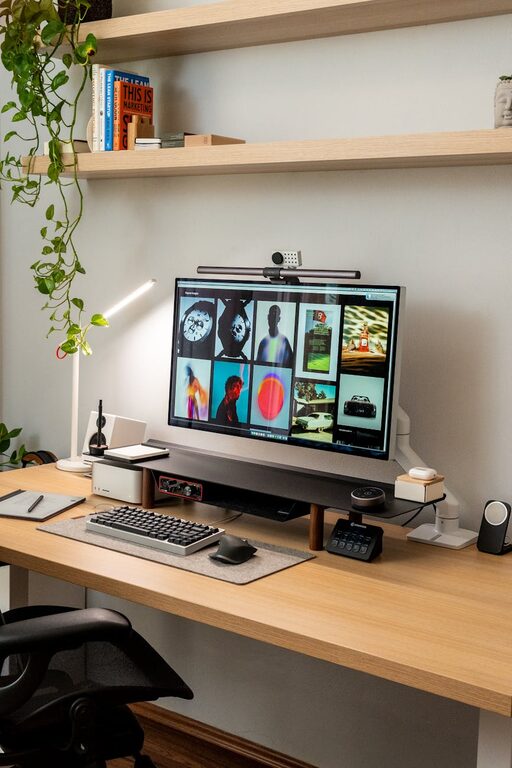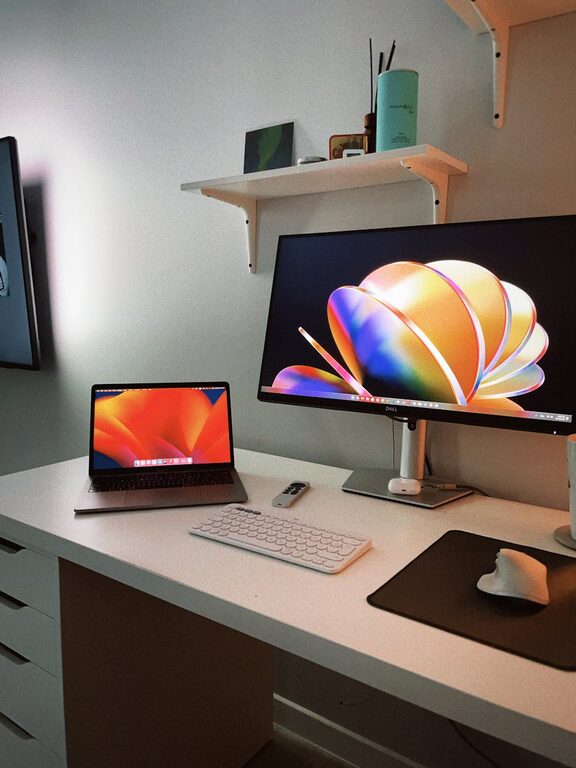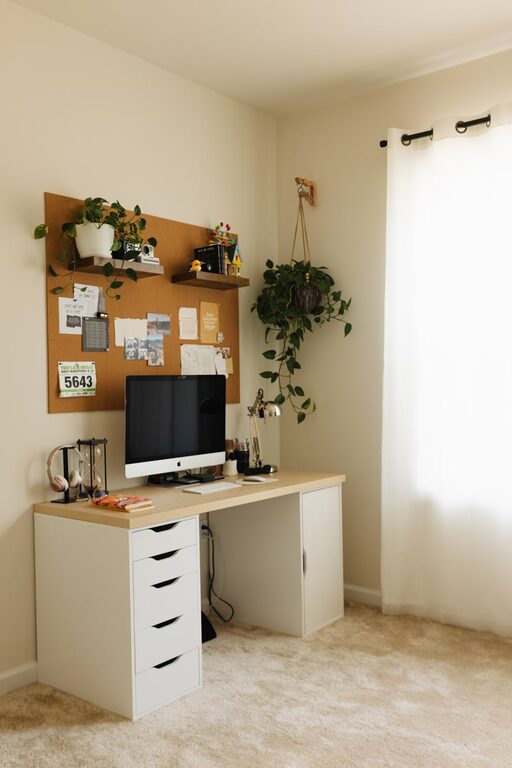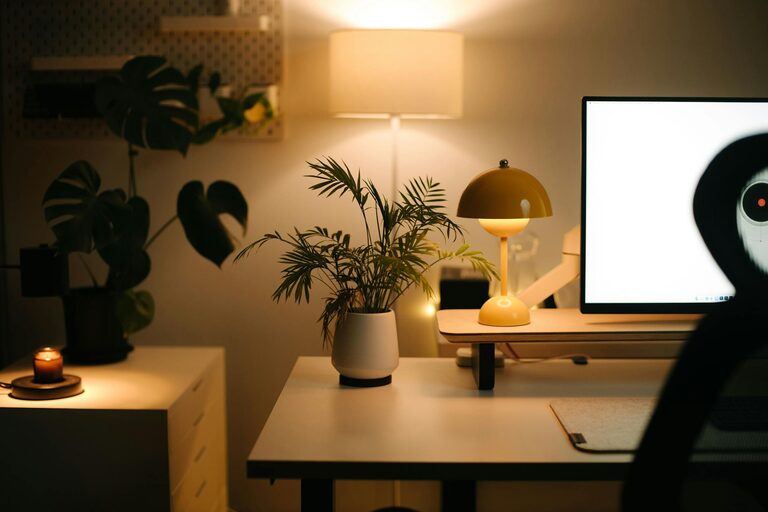
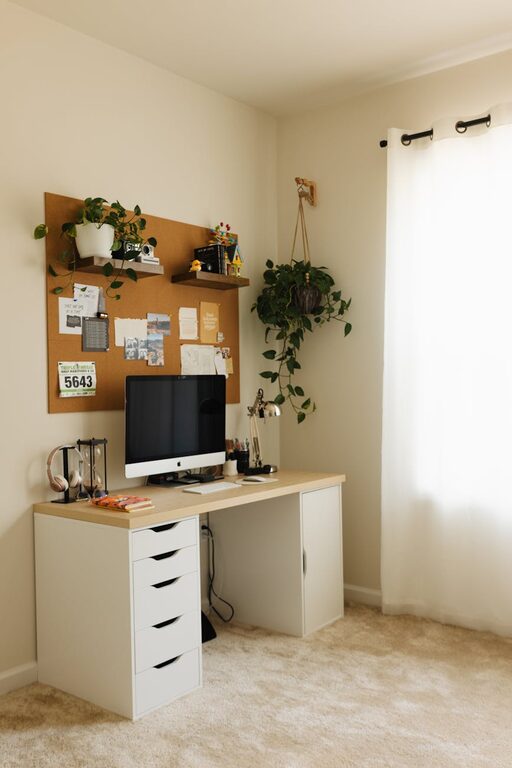
Creating a relaxing home office is essential for maintaining focus and reducing stress during work hours. Since many people spend a significant part of their day in this space, designing an environment that feels calm and inviting can improve both productivity and well-being. Here are some helpful tips to create a home office that encourages relaxation and efficiency.
1. Choose the Right Location
Selecting a peaceful spot for your home office sets the tone for relaxation. Ideally, pick an area away from heavy foot traffic, loud noises, and distractions. If a separate room isn’t available, consider using room dividers or screens to carve out a quiet nook.
2. Optimize Natural Light
Natural sunlight can boost mood and energy levels, making it an important factor in a relaxing work environment. Position your desk near a window to enjoy daylight, but avoid harsh glare on screens by using blinds or sheer curtains. When natural light isn’t an option, choose soft, warm artificial lighting that mimics daylight.
3. Invest in Comfortable Furniture
Comfort is key to staying relaxed and focused. Use an ergonomic chair that provides proper back support and adjustability. Your desk should be at a height that allows you to maintain good posture. Adding a footrest can also enhance comfort for long work sessions.
4. Declutter and Organize
A cluttered workspace can increase anxiety and distract you from tasks. Keep your desk tidy by using organizers, shelves, and storage boxes to store documents and supplies. Regularly clearing off unnecessary items helps maintain a sense of calm and order.
5. Incorporate Calming Colors
Color influences mood, so choose a color scheme that promotes relaxation. Soft blues, greens, and neutrals are known for their calming effects. Avoid overly bright or intense colors as they can be stimulating and counterproductive for focus.
6. Add Personal Touches
Making the space feel personal can increase comfort and satisfaction. Add photos, artwork, or items that inspire and motivate you. Just be careful not to overcrowd the space; keep decor minimal and meaningful.
7. Introduce Natural Elements
Bringing nature indoors can have a soothing effect. Include plants in your workspace to improve air quality and add a splash of green. Small potted plants like succulents or peace lilies are low-maintenance options that brighten the room.
8. Control Noise Levels
Background noise can disrupt concentration. If your home is noisy, consider using noise-canceling headphones or playing soft background music or white noise. Carpets and curtains also help absorb sound and reduce echo.
9. Maintain Proper Ventilation and Temperature
A comfortable temperature helps keep you relaxed and alert. Use fans, air conditioners, or heaters as needed to create a pleasant atmosphere. Fresh air circulation is important too, so open windows regularly if possible.
10. Take Breaks and Move
A relaxing home office also means encouraging movement. Use a timer or reminder to take short breaks throughout your workday. Stretching, walking, or simply stepping away from your desk can help reduce tension and refresh your mind.
Final Thoughts
Designing a relaxing home office is about creating a space tailored to your comfort and work style. By considering lighting, furniture, organization, and personal touches, you can transform your home office into a sanctuary of calm and productivity. Remember, small changes can make a big difference in how you feel while working from home.
About the Author