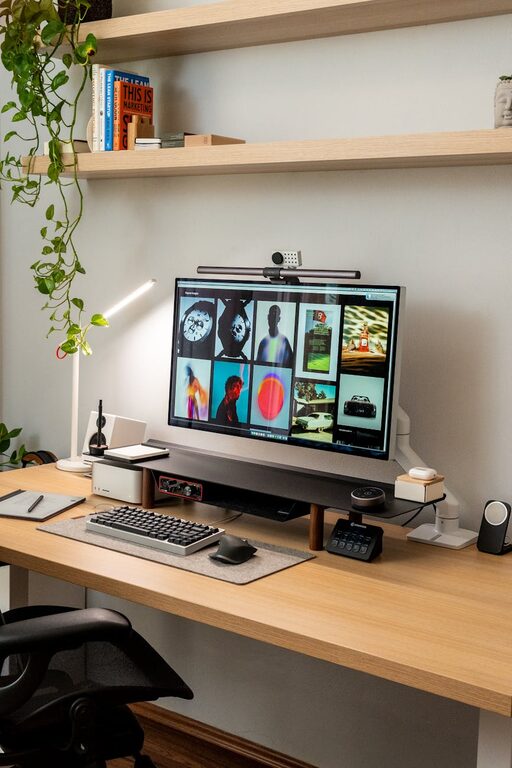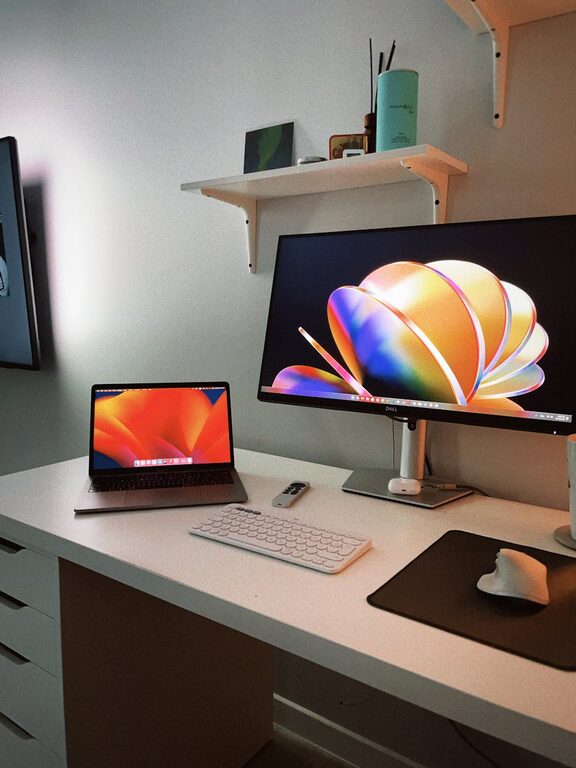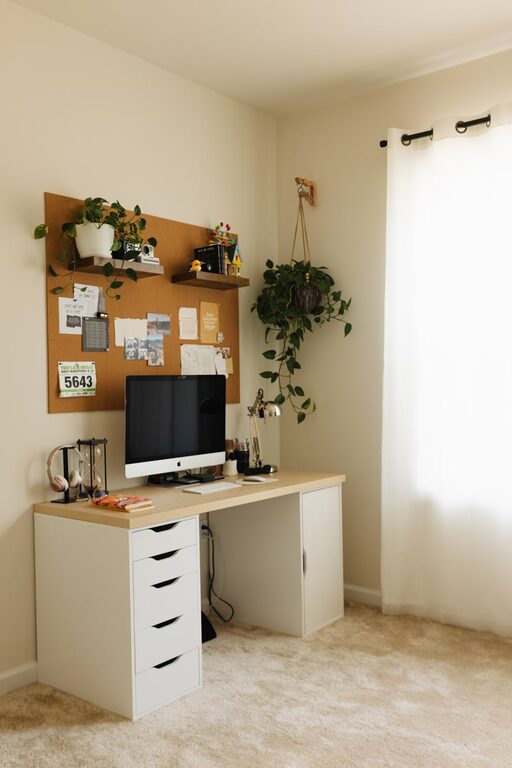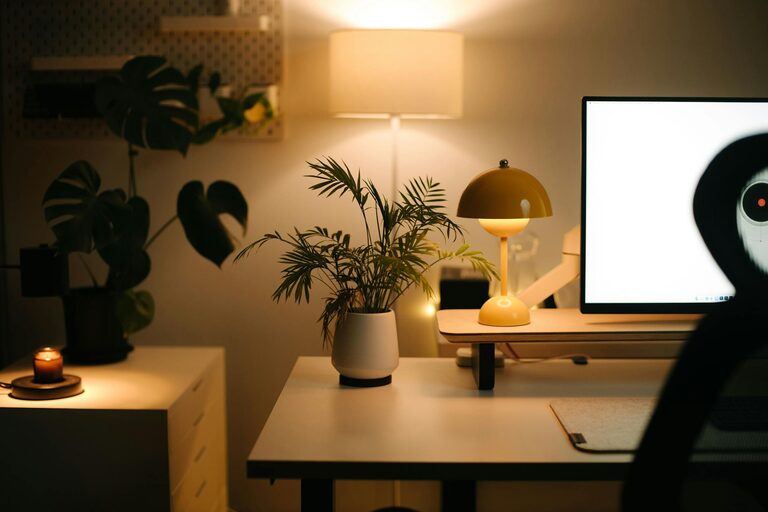
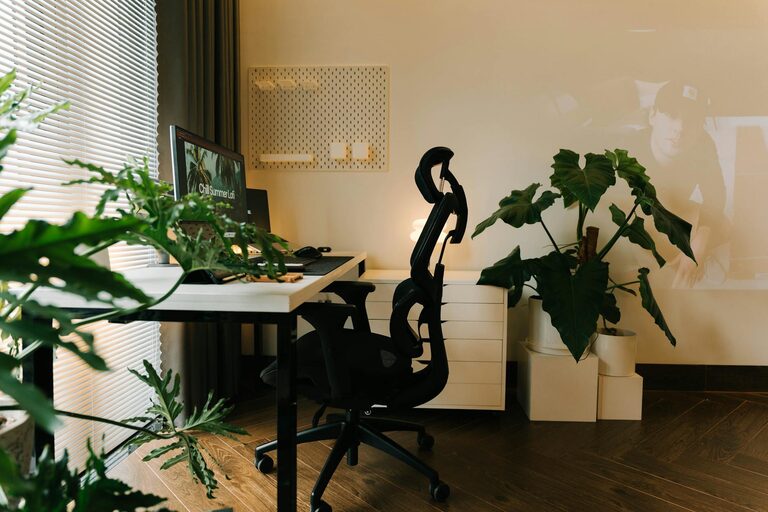
Creating a relaxing home office environment is essential for maintaining focus, reducing stress, and enhancing overall productivity. Whether you work from home full-time or occasionally need a quiet spot for tasks, your workspace can have a significant impact on your workday. In this post, we’ll explore effective tips to help you craft a serene and functional home office that suits your needs.
Why a Relaxing Home Office Matters
A thoughtfully designed work area can improve your mood and concentration. When your surroundings are clutter-free, well-lit, and comfortable, it’s easier to stay motivated and avoid burnout. A relaxing home office encourages a healthy work-life balance by creating a distinct place for work-related tasks, helping you switch off at the end of the day.
—
Choose the Right Location
Consider Natural Light
Whenever possible, place your desk near a window to take advantage of natural daylight. Exposure to natural light supports your body’s internal clock, boosts alertness, and reduces eye strain.
Minimize Distractions
Select a quiet spot away from high-traffic areas of your home. If you don’t have a separate room, try using room dividers or noise-cancelling headphones to establish a focused environment.
—
Invest in Comfortable Furniture
Ergonomic Desk and Chair
A comfortable chair with adjustable height and good lumbar support is vital. Pair it with an appropriate desk height to maintain proper posture and avoid strain. Ergonomic furniture reduces discomfort and helps maintain long-term health.
Flexible Workspace Options
Consider options like sit-stand desks, which allow you to alternate between sitting and standing throughout the day, promoting better circulation and energy.
—
Keep It Organized
Declutter Regularly
A tidy workspace clears mental clutter and helps you stay focused. Use storage bins, shelves, and drawer organizers to keep supplies neatly arranged and within reach.
Cable Management
Use cable ties or under-desk trays to keep wires out of sight, preventing tangles and creating a cleaner look.
—
Personalize Your Space Calmly
Add Greenery
Houseplants improve air quality and add a touch of nature, which can reduce stress and increase well-being. Choose easy-care plants like succulents, pothos, or snake plants.
Calming Colors
Incorporate soothing shades like soft blues, greens, or neutrals in your décor. These hues create a peaceful atmosphere and can have a positive effect on your mood.
Minimal and Meaningful Decor
Limit decorations to a few meaningful items or artwork that inspire and relax you, avoiding clutter.
—
Optimize Lighting
Balance Ambient and Task Lighting
While natural light is best, supplement with warm, ambient lighting to reduce eye fatigue. Use desk lamps with adjustable brightness for focused tasks like reading or writing.
Avoid Harsh Glare
Position screens and lamps to minimize reflections and glare, which can cause discomfort over time.
—
Incorporate Soothing Elements
Sound Environment
Playing soft background music, white noise, or nature sounds can help mask distracting noises and create a calm work atmosphere.
Scents and Aromatherapy
Consider subtle scents from essential oils or candles, such as lavender or eucalyptus, known for their relaxing properties. Ensure proper ventilation and safety if using candles.
—
Establish Daily Rituals
Creating routines to start and end your workday signals your brain to transition between work and personal time. This may involve tidying your desk at the end of the day or taking a few moments to stretch and breathe deeply before you begin.
—
Regular Breaks and Movement
Even in a comfortable environment, sitting too long can be draining. Schedule short breaks to stand, stretch, or take a brief walk. Movement enhances circulation and clears your mind.
—
Maintain Technology Health
Keep Devices Updated
Ensure your computer, software, and peripherals are up to date to avoid frustration caused by technical issues.
Manage Notifications
Turn off non-essential alerts to minimize interruptions and maintain your relaxed focus.
—
Final Thoughts
Creating a relaxing home office is about balancing comfort, organization, and personalization. Pay attention to your physical needs and preferences to design a space that feels inviting and helps you perform at your best. Small adjustments can make a big difference in your daily work experience, supporting both your productivity and well-being. Start with the tips here, and tailor them to create your ideal home office sanctuary.
About the Author